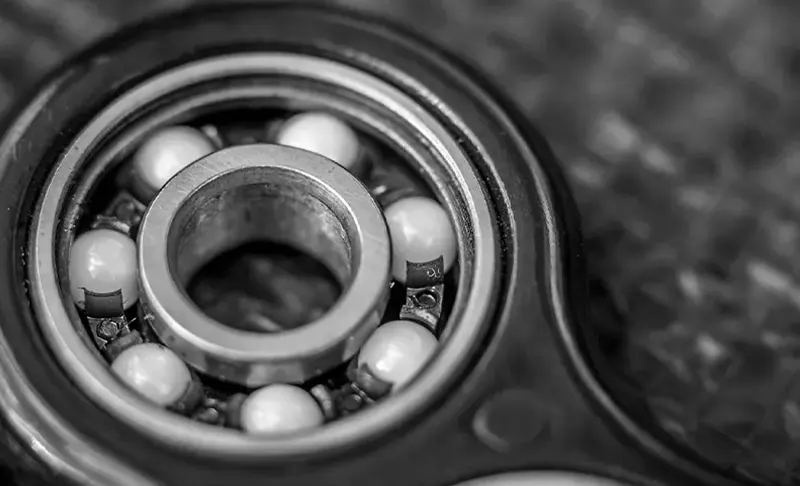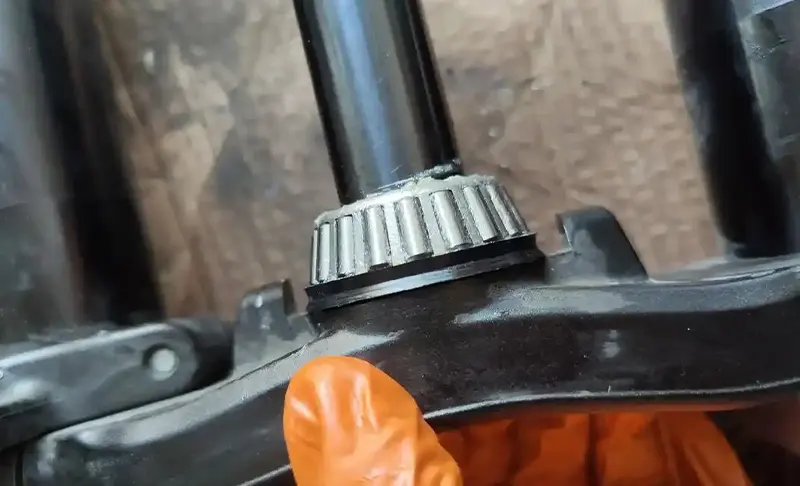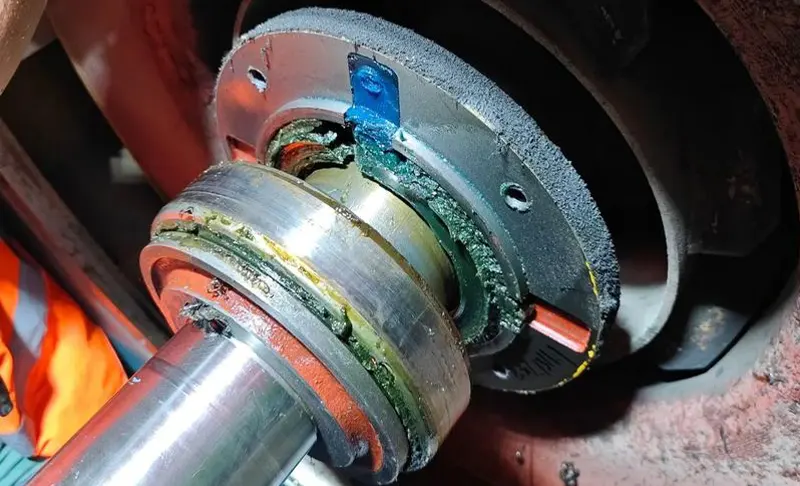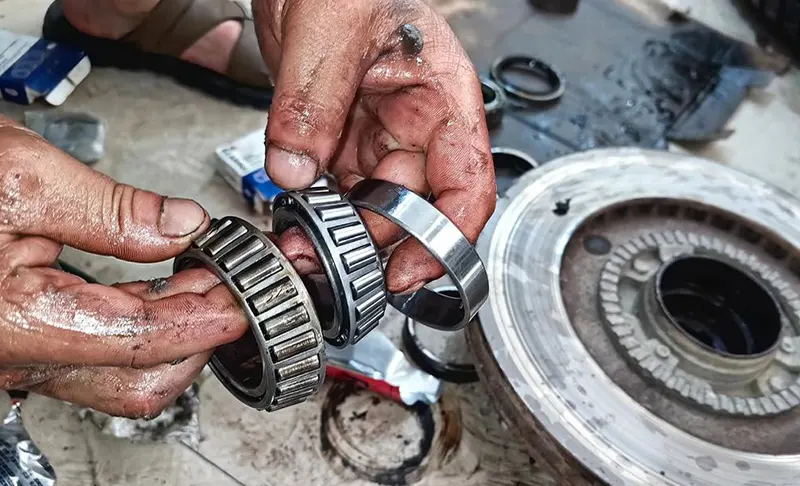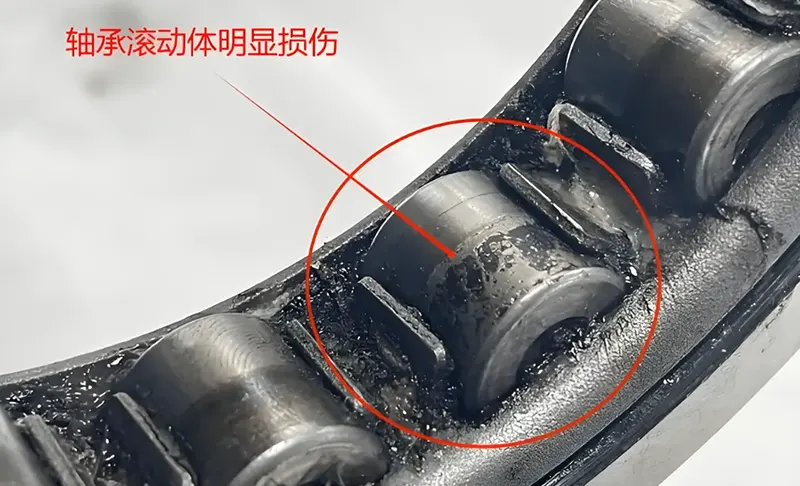
As the core load-bearing components of bearings, damage to rolling elements has a direct bearing on the service life of the bearings and the operational safety of the equipment. Systematic research into common types of damage to rolling elements and their failure mechanisms provides a scientific basis for the reliability design and maintenance management of bearings.
I. The Three Major Types of Damage to Rolling Elements
Wear is the phenomenon whereby surface material of rolling elements is gradually lost due to friction; it is commonly observed in operating conditions characterised by inadequate lubrication or the ingress of foreign matter. Fatigue damage manifests as cracks forming on the surface or subsurface of rolling elements under cyclic contact stresses, which gradually propagate, ultimately leading to surface spalling. Corrosion damage is typically caused by the ingress of moisture or corrosive media into the bearing, resulting in pitting or rust spots on the surface of the rolling elements.
II. Electrochemical Corrosion Damage and Protection Technologies
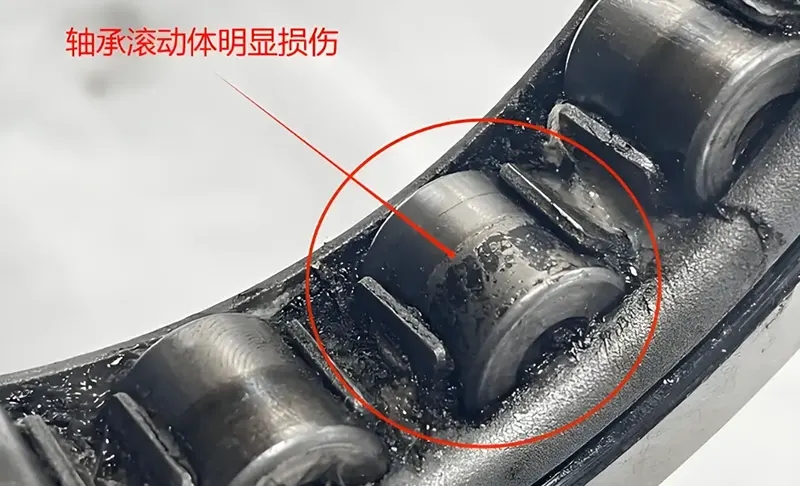
In applications such as electric motors and variable-frequency equipment, electrochemical corrosion damage is becoming increasingly prevalent. When shaft currents pass through a bearing, high-temperature discharges occur at the contact points between the rolling elements and the raceways, resulting in localised melting and pitting, which accelerates bearing failure. The industry has developed a series of protective technologies, such as insulated bearings and conductive seals, to effectively mitigate the damage caused by shaft currents to the rolling elements.
III. Damage Detection and Maintenance Strategies
High-frequency vibration detection technology captures high-frequency vibration signals during the early stages of rolling element damage, enabling the precise identification and prediction of early-stage damage such as wear, fatigue and electro-erosion, thereby effectively reducing unplanned downtime.
Damage to rolling elements is closely related to lubrication conditions. Maintaining the cleanliness of the lubricant and regularly testing the metal particle content in the oil are effective measures for preventing wear and fatigue spalling of rolling elements. In harsh operating conditions such as high temperatures and heavy loads, the use of specialised greases with anti-wear and extreme-pressure properties can significantly slow down the wear process of rolling elements and extend the bearing maintenance intervals.